


Finding the right relationship coaching program can transform your partnership, helping you navigate conflicts, improve communication, and foster a deeper, more meaningful emotional connection.
This comprehensive guide explores the benefits, structures, and outcomes of top coaching options. You will learn how to choose a relationship coaching program, avoid common pitfalls, and leverage expert strategies to cultivate a lasting, healthy bond with your partner.
Understanding What Makes the Best Relationship Coaching Program
When couples experience friction, they often feel isolated and unsure of how to rebuild their connection. A relationship coaching program offers a structured, forward-thinking approach to healing and growth. Unlike traditional therapy, which frequently dives into childhood trauma and clinical diagnoses, coaching focuses on the present and the future. You learn actionable skills to enhance your emotional connection and create a shared vision for your life together.
Finding the ideal relationship coaching program requires assessing your specific needs. Some couples need help navigating major life transitions, while others want to reignite their romantic spark. The best programs utilize evidence-based frameworks, such as those inspired by the Gottman Institute, to provide practical tools for everyday challenges. By committing to the process, partners can dismantle negative patterns and replace them with habits that promote mutual respect and understanding.
Key Components of Effective Coaching
A highly effective relationship coaching program usually includes several core components. First, it begins with a comprehensive assessment to identify both strengths and areas requiring improvement. This evaluation helps the coach tailor the curriculum to the couple’s unique dynamic. Second, it involves active goal-setting. Partners collaborate to define what success looks like for them, whether that means fewer arguments or more quality time. Third, the program delivers skill-building exercises. Couples practice these techniques during sessions and apply them at home, ensuring the lessons translate into real-world behavior changes.
How a Relationship Coaching Program Differs from Therapy
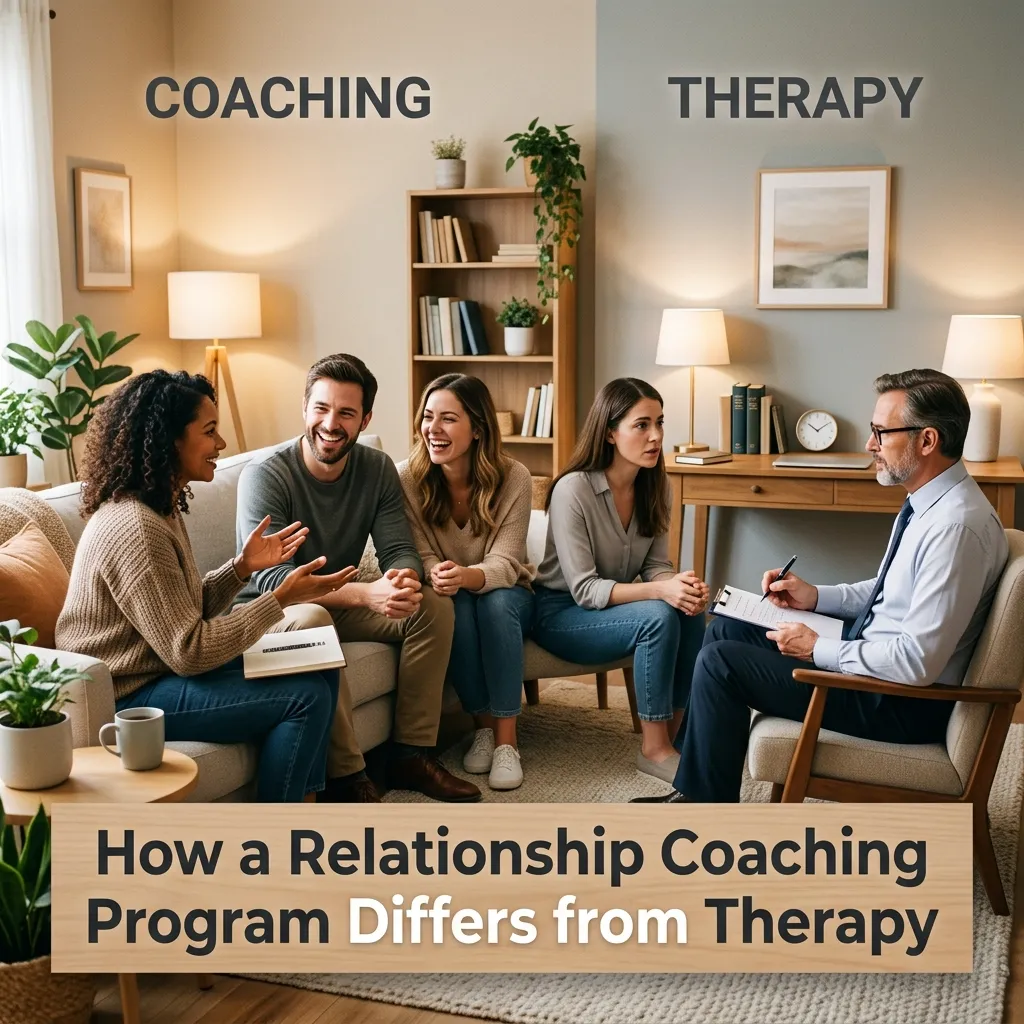 Many people confuse coaching with counseling. While both aim to improve interpersonal dynamics, their methodologies differ significantly. A relationship coaching program is inherently goal-oriented and action-driven. It assumes that both partners are mentally healthy but lack the specific skills needed to optimize their partnership.
Action-Oriented vs. Clinical Approaches
Therapists are licensed professionals trained to treat psychological disorders, deep-rooted trauma, and clinical depression. If a partnership is suffering due to untreated mental health issues, therapy is the appropriate starting point. However, if the goal is to enhance communication strategies and build better daily habits, a relationship coaching program is highly effective. Coaches act as motivators and strategists, guiding couples through practical exercises rather than analyzing past psychological wounds.
Top Benefits of Enrolling in a Relationship Coaching Program
Couples who engage fully in a relationship coaching program frequently report profound transformations in their daily interactions. The benefits extend beyond merely stopping arguments; they encompass the creation of a resilient, joyful partnership.
Improved Communication Skills
Communication is the bedrock of any successful partnership. A relationship coaching program teaches partners how to speak clearly and listen actively. You learn to replace criticism and defensiveness with empathy and validation. By mastering these communication strategies, couples can discuss sensitive topics without triggering arguments, ensuring both individuals feel heard and respected.
Conflict Resolution Mastery
Disagreements are inevitable, but combat is optional. Through a structured relationship coaching program, couples discover how to manage conflict constructively. They learn to identify their specific triggers and develop de-escalation techniques. Instead of viewing conflict as a threat to the partnership, couples learn to see it as an opportunity for growth and deeper understanding.
Deeper Emotional Intimacy
Life’s daily demands often push romance and intimacy to the sidelines. A dedicated relationship coaching program helps couples prioritize their bond. By engaging in targeted exercises, partners rebuild trust and vulnerability. They learn how to communicate their needs and desires safely, which naturally leads to enhanced physical and emotional intimacy.
Comparison Table: Top Frameworks in a Relationship Coaching Program
Understanding the different methodologies used in a relationship coaching program can help you choose the right path. Here is a breakdown of popular frameworks:
|
Framework |
Primary Focus |
Best Suited For |
Key Outcome |
|---|---|---|---|
|
The Gottman Method |
Research-based skill building |
Couples struggling with perpetual conflict |
Enhanced friendship and conflict management |
|
Emotionally Focused Therapy (EFT) |
Adult attachment and bonding |
Couples feeling emotionally disconnected |
Secure emotional attachment and responsiveness |
|
Imago Relationship Therapy |
De-escalating negative cycles |
Partners stuck in repetitive arguments |
Improved empathy and communication |
|
Solutions-Focused Coaching |
Future goals and actionable steps |
Couples facing specific life transitions |
Clear action plans and shared relationship goals |
Common Mistakes to Avoid When Choosing a Relationship Coaching Program
 Selecting a relationship coaching program is a significant investment of time, energy, and finances. To maximize your return on this investment, be mindful of these common pitfalls.
- Expecting the coach to take sides: A skilled coach remains neutral. Their client is the relationship itself, not the individual partners. Expecting the coach to validate your grievances while condemning your partner will hinder progress.
- Treating it as a quick fix: Building healthy relationship habits takes time. A relationship coaching program is not a magic wand. It requires consistent effort and practice outside of the coaching sessions.
- Hiding information: Honesty is crucial. If you withhold information about infidelities, financial secrets, or deep-seated resentments, the coach cannot effectively guide you.
- Skipping the homework: The real work happens between sessions. Failing to complete assigned exercises drastically reduces the effectiveness of the relationship coaching program.
Pro Tips for Maximizing Your Relationship Coaching Program Experience
To truly benefit from a relationship coaching program, you must approach it with intentionality and an open mind. Here are expert tips to ensure you get the most out of your experience.
- Commit to vulnerability: Growth requires stepping outside your comfort zone. Be willing to share your fears and insecurities with your partner and your coach.
- Practice active listening: Focus on understanding your partner’s perspective rather than formulating your rebuttal. This single skill can dramatically shift the tone of your conversations.
- Celebrate small wins: Acknowledge and appreciate the progress you make, no matter how minor it seems. Positive reinforcement encourages continued effort.
- Maintain regular check-ins: Even after completing a relationship coaching program, schedule weekly meetings with your partner to discuss your connection and address any emerging issues before they escalate.
Exploring Internal Topics and Relationship Dynamics
 A comprehensive relationship coaching program touches on various interconnected themes. Understanding these concepts provides a solid foundation for your coaching journey. For instance, couples counseling is a related field that often overlaps with coaching but maintains a clinical focus. Knowing when to seek counseling versus coaching is vital.
Additionally, mastering conflict management is a central pillar of any coaching curriculum. It involves recognizing emotional flooding and knowing when to take a timeout. Furthermore, cultivating emotional intimacy requires a safe environment where both partners feel valued. A good coach helps you build this environment, allowing for genuine vulnerability and connection.
Step-by-Step Guide to Starting Your Relationship Coaching Program
Embarking on a relationship coaching program can feel overwhelming. Following a clear process can alleviate anxiety and set you up for success.
First, identify your goals. Sit down with your partner and discuss what you hope to achieve. Are you looking to improve communication, navigate a career change, or rebuild trust? Clear goals will help you select the right coach.
Second, research potential coaches. Look for professionals with accredited certifications, such as those from the International Coaching Federation. Read reviews, check their methodologies, and ensure their approach aligns with your values.
Third, schedule a consultation. Most coaches offer a brief introductory call. Use this time to assess their communication style and determine if you and your partner feel comfortable with them. Rapport is essential for a successful relationship coaching program.
Fourth, commit to the process. Once you select a program, block out time in your calendar for sessions and homework. Treat this commitment with the same priority you would give to a crucial medical appointment or business meeting.
Investing in a relationship coaching program is a powerful step toward a happier, more fulfilling partnership. By applying these expert insights and avoiding common pitfalls, you can build lasting intimacy and mutual trust. Ready to transform your connection? Book your first session and start your journey to a stronger bond today.
Conclusion
Frequently Asked Questions
1. What exactly is a relationship coaching program?
A relationship coaching program is a structured, forward-focused process designed to help couples or individuals improve their interpersonal skills. It provides actionable strategies to enhance communication, resolve conflicts, and build deeper emotional connections. Unlike therapy, it focuses on achieving specific relationship goals rather than treating clinical issues.
2. How much does a relationship coaching program typically cost?
The cost of a relationship coaching program varies widely based on the coach’s experience, location, and the program’s duration. Prices can range from a few hundred dollars for self-paced online courses to several thousand dollars for comprehensive, live coaching packages spanning several months.
3. Is a relationship coaching program right for couples on the brink of divorce?
While a relationship coaching program can teach valuable communication skills, couples in severe crisis or on the brink of divorce may benefit more from clinical couples therapy. Therapists are better equipped to handle deep-seated resentments, trauma, and complex emotional gridlock.
4. Can individuals participate in a relationship coaching program without their partner?
Yes, individuals can highly benefit from a relationship coaching program. Individual coaching helps clients understand their own relationship patterns, improve their personal communication skills, and learn how to attract and maintain healthy partnerships in the future.
5. How long does a relationship coaching program last?
The duration depends on the specific program and the couple’s goals. Some intensive workshops last a weekend, while a traditional relationship coaching program may span three to six months, with weekly or bi-weekly sessions to ensure consistent progress and accountability.
6. What qualifications should I look for in a relationship coach?
When selecting a relationship coaching program, look for coaches with certifications from reputable organizations like the International Coaching Federation (ICF) or specialized training from institutions like the Relationship Coaching Institute or the Gottman Institute.
7. Does a relationship coaching program require homework?
Yes, almost every effective relationship coaching program requires homework. Coaches assign practical exercises, such as active listening drills or scheduled date nights, to help couples integrate the skills they learn during sessions into their daily lives.
8. Will the coach tell us who is right or wrong during an argument?
No, a professional in a relationship coaching program will not take sides or declare a winner in an argument. Their role is to act as a neutral facilitator, helping both partners understand the underlying needs and emotions driving the conflict.
9. Can a relationship coaching program help with intimacy issues?
Absolutely. A relationship coaching program frequently addresses emotional and physical intimacy. By improving communication and rebuilding trust, couples naturally create a safer environment that fosters deeper vulnerability and romantic connection.
10. What is the success rate of a relationship coaching program?
Success depends heavily on the couple’s commitment. When both partners actively participate, complete their exercises, and remain open to change, a relationship coaching program has a very high success rate in improving relationship satisfaction and communication.
