


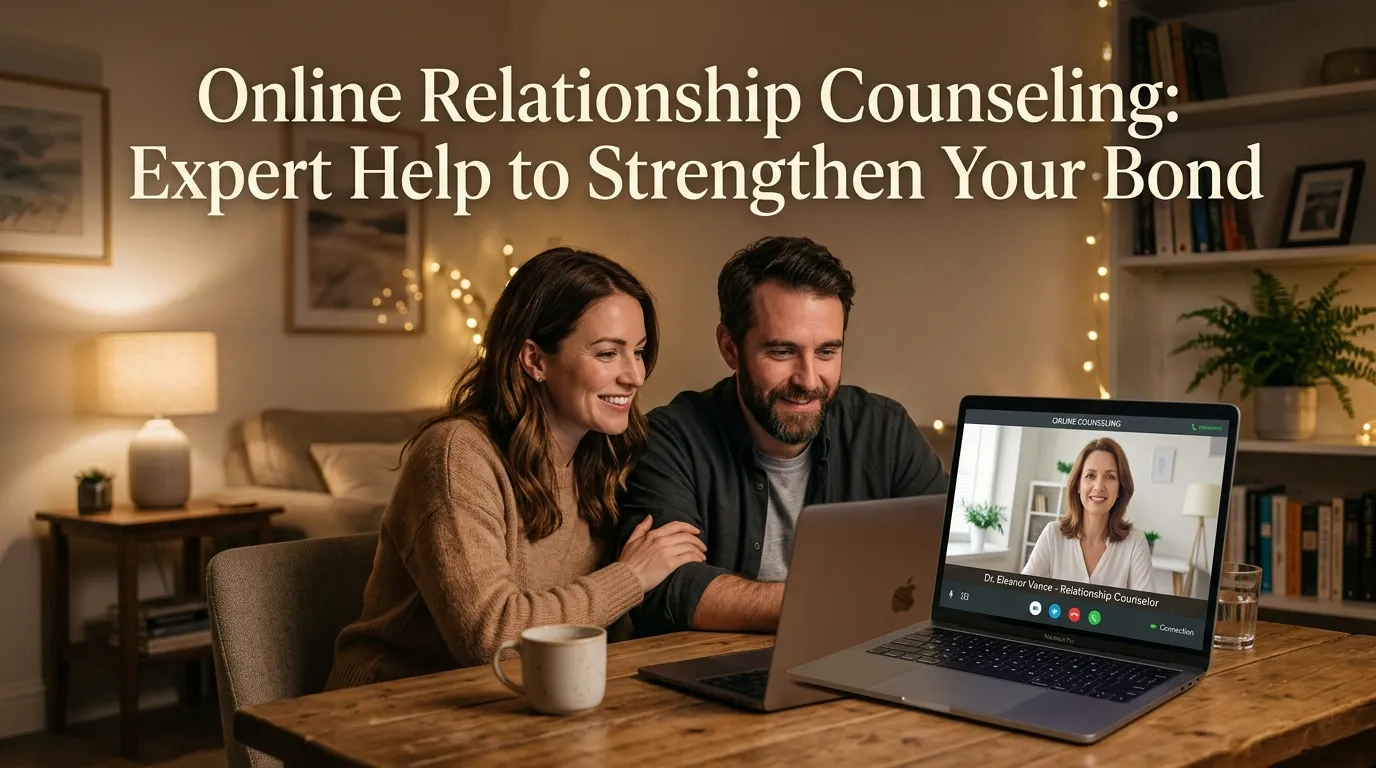
Understanding Online Relationship Counseling
Online relationship counseling is a modern digital therapy approach that helps couples connect with licensed therapists through video calls, chats, or phone sessions. This method focuses on improving emotional bonding, communication, and problem-solving abilities between partners. Unlike traditional therapy, online relationship counseling offers flexibility, allowing couples to attend sessions from anywhere without travel stress. It also creates a more private and comfortable environment, encouraging open conversations. Counselors guide both partners in expressing emotions, identifying relationship issues, and developing healthier interaction patterns. This approach is effective for dealing with trust issues, communication gaps, and emotional distance. It is suitable for couples at any stage who want to build a stronger understanding and a more stable emotional connection.
Benefits of Online Relationship Counseling
Online relationship counseling provides several valuable benefits for couples seeking to improve their relationship. One of the main advantages is easy access to professional help without geographical limits. Couples can attend sessions from the comfort of their home, ensuring privacy and emotional safety. It is also more affordable compared to traditional therapy, making it accessible for many people. Another key benefit is flexible scheduling, which helps busy couples manage sessions easily. Online relationship counseling also reduces stress and encourages honest communication in a familiar environment. Over time, couples learn better conflict resolution skills, improved emotional understanding, and healthier communication habits. These benefits make it a practical and effective solution for strengthening relationships in today’s digital lifestyle.
How Online Counseling Improves Communication
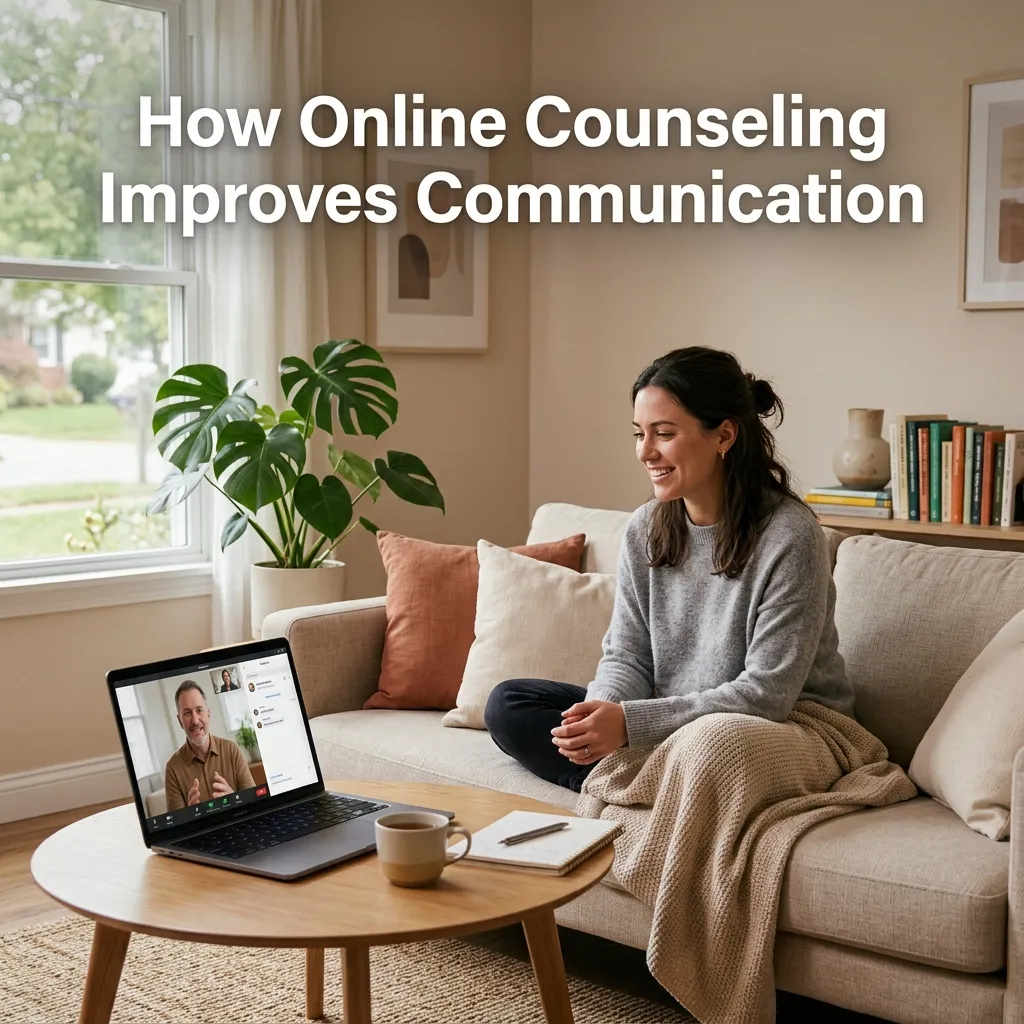 Communication plays a vital role in every relationship, and online relationship counseling strongly focuses on improving it. Many couples struggle with expressing feelings clearly or listening without judgment. Through guided sessions, counselors teach active listening, empathy, and respectful communication techniques. They help partners identify emotional triggers and understand communication barriers that create misunderstandings. Online relationship counseling encourages open and honest dialogue, where both partners can express feelings without blame or criticism. This process reduces conflicts and builds emotional understanding. Couples also learn how to manage difficult conversations calmly and constructively. As communication improves, trust and emotional connection naturally grow stronger. Ultimately, better communication leads to a healthier, more balanced, and supportive relationship.
Common Relationship Issues Addressed
Online relationship counseling helps couples deal with a wide range of emotional and practical relationship issues. Common problems include poor communication, frequent arguments, trust issues, emotional distance, and lack of intimacy. Financial stress and family-related conflicts are also frequently discussed during sessions. Counselors work to identify the root causes behind these issues rather than focusing only on surface-level disagreements. Through online relationship counseling, couples learn how to understand each other’s emotional needs and respond more effectively. This creates a safe space for open discussions and healing. Over time, couples develop better conflict management skills, rebuild trust, and reduce emotional tension. The result is a healthier, more stable, and emotionally connected relationship.
Role of Professional Counselors
Professional counselors play a very important role in online relationship counseling by guiding couples toward healthier relationships. They are trained experts in psychology and relationship dynamics who act as neutral mediators. Their job is to ensure both partners feel heard, respected, and understood during sessions. Counselors do not take sides; instead, they help couples find balanced solutions to their problems. In online relationship counseling, they use proven techniques to improve communication, resolve conflicts, and rebuild emotional connection. They also provide personalized advice based on each couple’s unique situation. With their support, couples can identify unhealthy patterns and replace them with positive behaviors. This professional guidance leads to long-term improvement and stronger emotional bonding.
Online Counseling vs Traditional Counseling
 Online relationship counseling and traditional counseling both aim to improve relationships, but they differ in how they are delivered. Traditional counseling requires physical visits to a therapist’s office, while online counseling takes place through digital marketing platforms like video calls or chats. Online relationship counseling offers greater flexibility, especially for couples with busy schedules or those living in different locations. It also saves travel time and provides more comfort since sessions can be attended from home. Traditional counseling may feel more personal to some people, but online counseling is equally effective when conducted by qualified professionals. Both methods focus on communication, trust-building, and emotional healing. The choice depends on convenience, comfort, and lifestyle preferences.
Challenges in Online Relationship Counseling
Online relationship counseling is highly effective, but it can come with some challenges that couples should understand before starting. One common issue is technical difficulties, such as poor internet connection or device problems, which can interrupt sessions. Another challenge is the lack of physical presence, which may make some individuals feel less emotionally connected during discussions. In some cases, one partner may also feel less engaged in virtual sessions compared to in-person therapy. However, with commitment and regular participation, these challenges can be managed effectively. Despite these limitations, online relationship counseling still provides strong emotional support and practical solutions for relationship improvement when both partners actively participate.
Key Challenges
- Internet or technical issues during sessions
- Reduced physical presence and emotional cues
- Distractions at home are affecting focus
- Unequal participation between partners
- Initial discomfort with virtual communication
| Challenge | Impact on Relationship Sessions | Possible Solution |
|---|---|---|
| Poor internet connection | Interrupts communication flow | Use stable Wi-Fi or mobile data |
| Lack of physical presence | Reduced emotional connection | Focus on verbal communication |
| Home distractions | Less concentration during sessions | Choose a quiet environment |
| Unequal participation | One-sided communication | Counselor-guided engagement |
| Tech unfamiliarity | Session delay or confusion | Simple platform training |
Building Trust Through Counseling
Trust is a fundamental part of every relationship, and online relationship counseling plays a key role in rebuilding it when it is damaged. Broken trust often leads to emotional distance, insecurity, and misunderstandings between partners. Counselors guide couples through structured exercises designed to encourage honesty, transparency, and accountability. In online relationship counseling, partners learn to openly share feelings and understand the root causes of trust issues. This process helps rebuild confidence and emotional safety within the relationship. Couples are also taught forgiveness, patience, and consistency in behavior. Over time, these practices strengthen trust and create a more stable and secure emotional connection. The result is a healthier, more reliable, and emotionally balanced relationship.
Emotional Healing and Support
 Emotional healing is an important focus of online relationship counseling, especially for couples dealing with unresolved emotional pain. Many relationships suffer because of past misunderstandings, hurt feelings, or emotional neglect. Counselors help individuals express their emotions in a safe and supportive environment. This process reduces stress and promotes mental well-being. Online relationship counseling also helps partners understand each other’s emotional needs more deeply. As healing progresses, couples begin to reconnect emotionally and rebuild closeness. They also learn how to support each other during difficult situations. This emotional support strengthens the foundation of the relationship, creating long-term stability, comfort, and deeper emotional bonding between partners.
Tips for Getting the Best Results
To get the best outcomes from online relationship counseling, couples must actively participate and stay consistent throughout the process. Success depends not only on the counselor but also on how committed both partners are to improving their relationship. Being honest, open-minded, and respectful during sessions plays a major role in progress. Couples should also apply the guidance given by the counselor in their daily life, not just during sessions. Over time, these small efforts create big improvements in emotional connection, communication, and trust. Online relationship counseling becomes more effective when both partners work together with patience and willingness to grow.
Key Tips
- Attend sessions regularly without skipping
- Be honest and open during discussions
- Practice active listening with your partner
- Apply the counselor’s advice in daily life
- Avoid blaming and focus on solutions
| Habit | Why It Matters | Outcome Achieved |
|---|---|---|
| Regular attendance | Ensures continuous progress | Steady relationship improvement |
| Honest communication | Builds trust and understanding | Strong emotional connection |
| Active listening | Reduces misunderstandings | Better communication flow |
| Applying advice | Turns learning into action | Long-term positive change |
| Patience and consistency | Supports emotional growth | Stable and healthy relationship |
When to Consider Online Relationship Counseling
Couples should consider online relationship counseling when they experience repeated conflicts, communication problems, or emotional distance. It is also helpful when trust issues develop or when partners feel disconnected from each other. Even couples without serious problems can use counseling to strengthen their bond and prevent future issues. Early intervention helps resolve small misunderstandings before they become major problems. Online relationship counseling is especially beneficial for busy couples or those in long-distance relationships, as it offers flexible and timely support. Seeking counseling is not a sign of failure but a positive step toward relationship improvement. It shows commitment to building a stronger, healthier, and more emotionally connected partnership.
Conclusion
Online relationship counseling is a powerful and modern solution for couples who want to improve their relationship. It offers flexibility, privacy, and expert guidance from trained professionals. Through structured sessions, couples can resolve conflicts, improve communication, and rebuild trust. It also helps with emotional healing and long-term relationship growth. In today’s fast-paced world, online relationship counseling provides an accessible way to maintain healthy and strong relationships. Whether you are facing challenges or simply want to strengthen your bond, this approach can create positive and lasting changes. With consistent effort and guidance, couples can build a deeper, more meaningful connection.
