



What Are Communication Styles in Relationships?
Communication styles in relationships refer to the way individuals express their thoughts, feelings, and needs to their partner. These styles shape how messages are delivered and understood in emotional interactions. Some people communicate openly and directly, while others may be more reserved or indirect. Understanding communication styles in relationships helps couples recognize how they naturally interact with each other. This awareness reduces misunderstandings and improves emotional clarity. When partners identify their communication patterns, they can adjust their approach to create better harmony. Healthy relationships are built on clear and respectful communication. By learning each other’s style, couples can build trust, avoid unnecessary conflicts, and strengthen their emotional connection over time.
Importance of Communication in Relationships
Communication styles in relationships are important because they determine how effectively partners connect and resolve issues. Without proper communication, even small problems can turn into major conflicts. Good communication helps partners express emotions honestly and listen with understanding. It creates emotional safety, where both individuals feel valued and respected. When couples understand communication styles in relationships, they become more aware of each other’s emotional needs. This awareness leads to better decision-making and fewer misunderstandings. Strong communication also builds long-term trust, which is essential for relationship stability. It allows partners to grow together, support each other’s goals, and maintain a healthy emotional balance throughout the relationship journey.
The Four Main Communication Styles
 There are generally four major communication styles in relationships: passive, aggressive, passive-aggressive, and assertive. Passive communicators often avoid expressing their feelings, while aggressive communicators may express emotions in a dominating way. Passive-aggressive individuals express dissatisfaction indirectly, and assertive communicators share their thoughts openly and respectfully. Understanding these communication styles in relationships helps couples identify unhealthy patterns and improve interaction quality. Among these, assertive communication is considered the healthiest because it balances honesty with respect. When partners recognize these styles, they can work toward improving emotional expression. This understanding helps reduce conflict, increase clarity, and build a stronger emotional connection between partners in everyday life.
Passive Communication Style in Relationships
The passive communication style in relationships often involves avoiding conflict and suppressing emotions. Individuals with this style may struggle to express their needs clearly, which can lead to misunderstandings over time. Communication styles in relationships like this can create emotional distance because one partner may feel unheard or unimportant. Passive communicators often prioritize harmony over honesty, which may seem peaceful but can lead to frustration later. When feelings are not shared openly, resentment may build silently. Understanding this style helps couples recognize the importance of emotional expression. Encouraging open dialogue can help passive communicators feel safe and confident in sharing their thoughts without fear of judgment or rejection.
Aggressive Communication Style and Its Impact
Aggressive communication in relationships involves expressing thoughts in a forceful or controlling manner. This communication style can harm emotional connection because it often ignores the partner’s feelings. Communication styles in relationships that are aggressive may lead to frequent arguments and emotional stress. While the message may be direct, the delivery often creates tension rather than understanding. Over time, this style can weaken trust and create emotional distance. However, awareness of this pattern is the first step toward improvement. Couples can work on replacing aggression with respectful dialogue. Learning to express emotions calmly helps build a healthier and more balanced relationship where both partners feel heard and respected.
Passive-Aggressive Communication Style
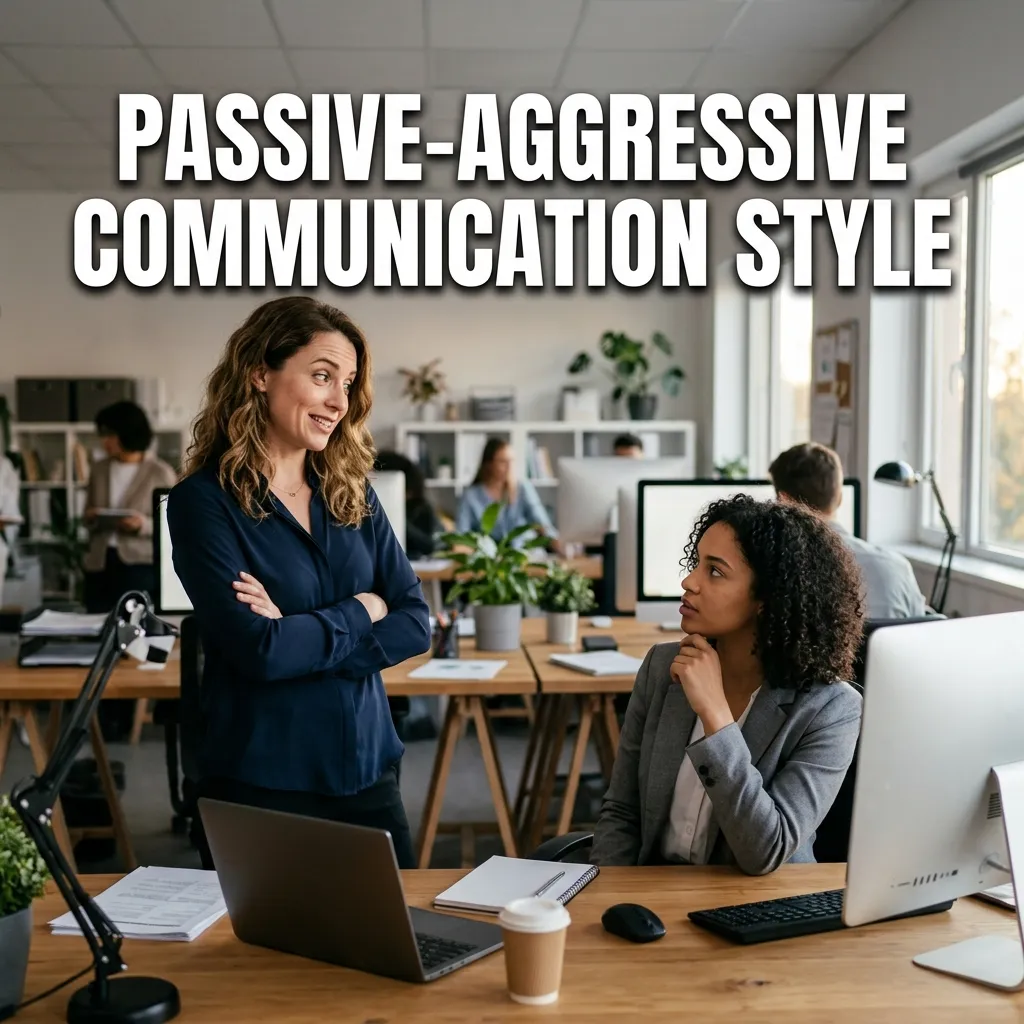 Passive-aggressive communication combines indirect expression with underlying frustration. In communication styles in relationships, this behavior may appear as sarcasm, silent treatment, or subtle resistance instead of open discussion. Individuals using this style often avoid confrontation but still express dissatisfaction in hidden ways. This can confuse partners and create emotional misunderstanding. Over time, it may damage trust and reduce emotional closeness. Recognizing passive-aggressive behavior is important for improving relationship quality. When couples understand communication styles in relationships like this, they can encourage honesty and openness. Replacing indirect behavior with clear communication helps reduce emotional tension and improve long-term relationship stability and mutual understanding.
How to Identify Your Communication Style in Relationships
Self-awareness helps you recognize whether you are passive, aggressive, passive-aggressive, or assertive in different situations. Once identified, you can consciously work toward healthier communication habits that support emotional balance and mutual understanding in your relationship.
Key Points
- Observe how you react during conflicts
- Notice if you avoid or dominate conversations
- Identify emotional triggers in discussions
- Ask for honest feedback from your partner
- Practice self-reflection after arguments
| Communication Style | Common Behavior | Relationship Impact |
|---|---|---|
| Passive | Avoids expressing feelings | Builds emotional distance |
| Aggressive | Dominates or blames partner | Creates conflict and stress |
| Passive-Aggressive | Indirect expression of anger | Causes confusion and mistrust |
| Assertive | Honest and respectful expression | Builds trust and emotional balance |
Assertive Communication Style
Assertive communication is the healthiest among communication styles in relationships. It involves expressing thoughts and feelings honestly while respecting the partner’s emotions. This style encourages open dialogue, active listening, and mutual understanding. Couples who practice assertive communication are more likely to solve problems effectively without creating emotional harm. It allows both partners to feel valued and understood. Communication styles in relationships improve significantly when assertiveness is practiced regularly. Instead of blaming or avoiding, partners focus on solutions and emotional clarity. This approach strengthens trust, reduces misunderstandings, and builds a balanced emotional connection that supports long-term relationship growth and happiness.
How Communication Styles Affect Emotional Connection
Communication styles in relationships directly influence the emotional connection between partners. Positive communication strengthens trust, while negative patterns can create emotional distance. When couples fail to understand each other’s communication style, misunderstandings become more frequent. Emotional connection grows when both partners feel heard and respected. Healthy communication encourages vulnerability, which deepens intimacy and trust. On the other hand, poor communication can lead to frustration and emotional withdrawal. Understanding communication styles in relationships helps partners identify emotional triggers and respond more thoughtfully. This awareness allows couples to create a safe emotional environment where both individuals can express themselves freely and maintain a strong emotional bond.

Ways to Improve Communication in Relationships
Frequently Asked Questions
1. What are communication styles in relationships?
Communication styles in relationships refer to the way partners express feelings, thoughts, and needs. These styles shape how messages are shared and understood, influencing emotional connection, conflict resolution, and overall relationship health between two individuals in daily interactions.
2. Why are communication styles in relationships important?
They are important because they affect how well partners understand each other. Good communication reduces misunderstandings, builds trust, and strengthens emotional bonds. Poor communication can lead to conflicts, emotional distance, and dissatisfaction within the relationship over time.
3. What are the main types of communication styles in relationships?
The main types include passive, aggressive, passive-aggressive, and assertive communication. Each style reflects different ways people express emotions and handle conflict. Understanding these styles helps couples improve interaction and develop healthier emotional connections in their relationship.
4. Which communication style is best for relationships?
Assertive communication is considered the best style. It allows individuals to express feelings honestly while respecting their partner. This balanced approach improves understanding, reduces conflict, and helps build stronger emotional trust and long-term relationship satisfaction between partners.
5. How does poor communication affect relationships?
Poor communication can create misunderstandings, emotional distance, and frequent conflicts. When partners fail to express themselves clearly, trust weakens. Over time, this may lead to frustration, resentment, and reduced emotional connection within the relationship, affecting long-term stability.
6. Can communication styles in relationships be changed?
Yes, communication styles can be improved with awareness and practice. By learning active listening, empathy, and respectful expression, individuals can shift toward healthier communication patterns. This change helps strengthen emotional bonds and improve relationship satisfaction over time.
7. What is passive communication in relationships?
Passive communication occurs when a person avoids expressing their thoughts or emotions. This often leads to unmet needs and misunderstandings. Over time, it may create emotional distance, as one partner may feel ignored or unimportant in the relationship.
8. How does aggressive communication impact relationships?
Aggressive communication can harm relationships by creating fear, tension, and conflict. It often involves blaming or dominating behavior. This style reduces emotional safety and trust, making it difficult for partners to maintain a healthy and supportive connection.
9. How can couples improve communication styles in relationships?
Couples can improve communication by practicing active listening, expressing feelings clearly, and avoiding blame. Using empathy and patience helps build understanding. Regular, honest conversations strengthen emotional bonds and reduce misunderstandings in everyday relationship interactions.
10. Why do communication styles in relationships differ?
Communication styles differ due to personality, upbringing, emotional experiences, and cultural background. Each person develops unique ways of expressing emotions. Understanding these differences helps couples adapt, improve their connection, and build healthier and more supportive relationships.
