


Strong relationships grow through communication, trust, emotional awareness, and shared experiences. Using practical guidance and learning tools helps couples reduce conflict, improve understanding, and build a stable, loving, and long-lasting emotional connection together.
Strong relationships are built on trust, communication, and emotional understanding between partners. Using helpful guidance and supportive tools can improve how couples connect, resolve conflicts, and express feelings. These practical resources encourage healthier habits, deeper bonding, and long-term happiness. With consistent effort and the right approach, couples can strengthen their relationship and create a more stable, loving, and meaningful connection.
Communication Guides
Effective communication is the foundation of every successful relationship. Learning how to express thoughts clearly and listen with full attention helps partners avoid misunderstandings and build emotional safety. These strong relationship resources encourage techniques such as “I” statements, active listening, and respectful disagreement, which make conversations healthier and more productive. When couples practice these strong relationship resources regularly, they can share feelings without fear of judgment or criticism. They also help partners discuss needs, expectations, and concerns calmly. Over time, consistent communication habits supported by strong relationship resources strengthen trust and emotional understanding. Couples who apply these strong relationship resources create a supportive environment where both partners feel valued, respected, and emotionally secure.
Emotional Intelligence Tools
Emotional intelligence plays a major role in maintaining healthy relationships. These strong relationship resources help partners understand their own emotions as well as their loved ones’ feelings. They encourage empathy, patience, and self-control during emotional situations, reducing unnecessary conflict. Couples using strong relationship resources focused on emotional awareness can respond more calmly instead of reacting impulsively. Common practices include reflection exercises, mood tracking, and mindfulness activities. These strong relationship resources also help individuals identify emotional triggers and manage them in healthier ways. As emotional understanding improves, partners using strong relationship resources experience deeper bonding, fewer misunderstandings, and a more stable emotional connection built on care and understanding.
Conflict Resolution Strategies
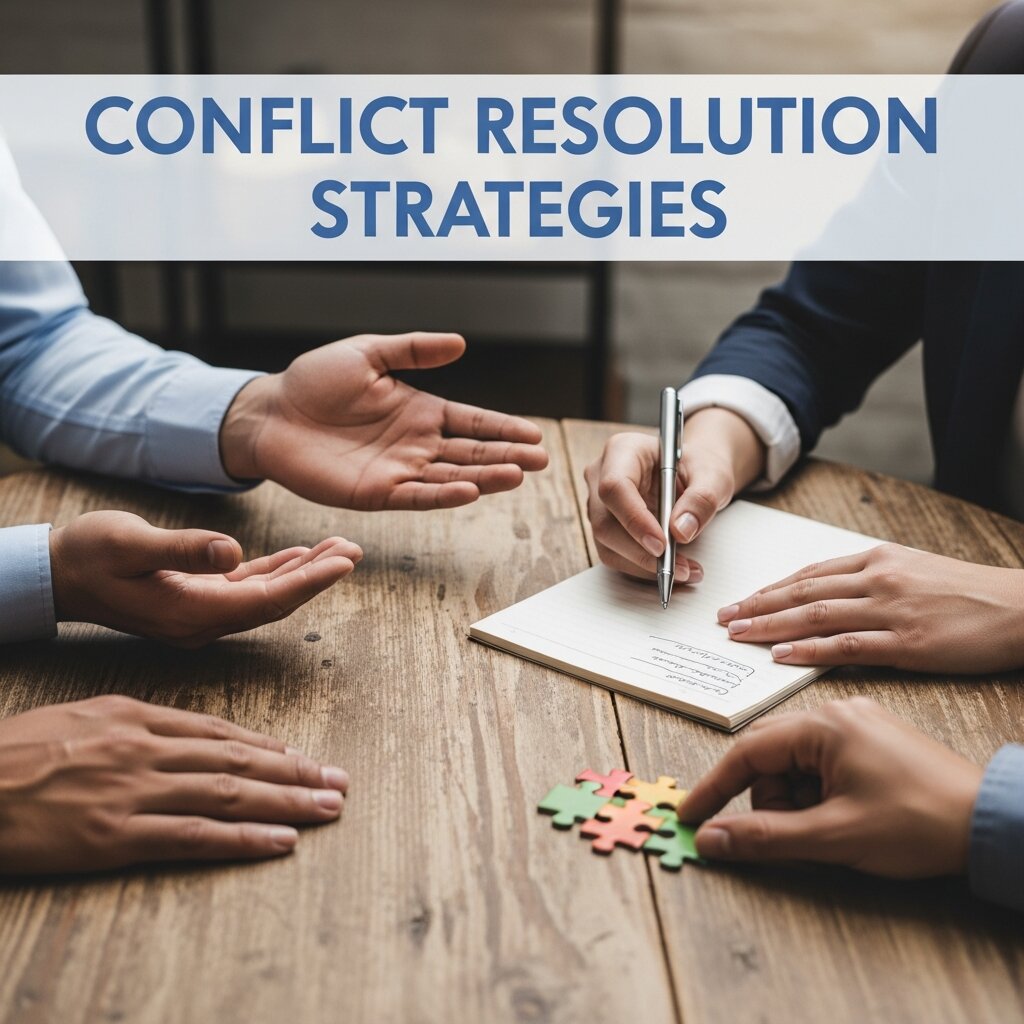 Every relationship experiences disagreements, but handling them properly is what truly matters. These strong relationship resources help couples manage arguments in a respectful and solution-focused way. Instead of blaming each other, partners learn to focus on understanding and problem-solving. These strong relationship resources include compromise, negotiation, and calm discussions. Taking breaks during heated moments is also encouraged. When couples apply strong relationship resources, conflicts become opportunities for growth instead of stress. Over time, these strong relationship resources reduce repeated arguments and build mutual respect. Healthy conflict management through strong relationship resources creates a peaceful and balanced relationship environment where both partners feel heard and understood.
Trust-Building Practices
Trust is the core of any strong and lasting relationship. These strong relationship resources focus on honesty, consistency, and emotional openness between partners. Trust grows when couples use strong relationship resources that encourage keeping promises and clear communication. Vulnerability is also important because it builds emotional closeness. These strong relationship resources often include accountability exercises and honest conversations. When trust is built using strong relationship resources, relationships feel safer and more stable. Over time, strong relationship resources help reduce doubt and insecurity, creating deeper emotional comfort. Couples who apply strong relationship resources experience stronger bonding and long-term relationship stability based on mutual reliability.
Relationship Counseling Platforms
Professional guidance is one of the strongest relationship resources available today. Counseling platforms provide expert support where couples can openly discuss issues. These strong relationship resources help identify root causes of problems and offer practical solutions. Many platforms also include exercises and self-help tools. Couples using strong relationship resources like counseling often improve communication and emotional healing. These strong relationship resources create a safe space for honest expression without judgment. Over time, strong relationship resources through counseling rebuild emotional connection and improve understanding. They also strengthen long-term stability by promoting healthier habits and better conflict management.
Relationship Books and Learning Materials

Books are timeless, strong relationship resources that provide deep insights into love and communication. These strong relationship resources help couples understand relationship dynamics through real-life examples and expert advice. Reading together or individually improves emotional awareness and connection. These strong relationship resources encourage self-reflection and personal growth. Over time, strong relationship resources help reduce common relationship mistakes and strengthen emotional bonds. Couples who rely on strong relationship resources from books develop better communication patterns and a deeper understanding. These strong relationship resources also provide long-term guidance for building trust and emotional maturity.
Online Relationship Courses
Online learning platforms offer structured, strong relationship resources designed for modern couples. These strong relationship resources include video lessons, quizzes, and interactive exercises that improve skills at a comfortable pace. Topics include communication, intimacy, and emotional control. Couples using strong relationship resources from courses learn practical skills for real-life situations. These strong relationship resources also encourage continuous practice and improvement. Many platforms provide ongoing lessons to support long-term growth. By following strong relationship resources in a course format, couples strengthen their emotional connection and develop healthier relationship habits over time.
Strong Relationship Resources for Daily Habits
Building a healthy relationship depends on small daily habits that strengthen emotional connection over time. Strong relationship resources for daily routines help couples stay consistent with communication, care, and appreciation. These resources encourage simple actions like checking in emotionally, expressing gratitude, and spending intentional time together. When practiced regularly, they reduce misunderstandings and increase emotional closeness. Couples can also use reminders, journals, or shared planners to stay connected in busy schedules. By integrating these habits into everyday life, partners create a stable and loving environment. Over time, these strong relationship resources make relationships more balanced, supportive, and emotionally fulfilling, helping both partners feel valued and secure in their bond.
Key Daily Habits
- Express gratitude daily
- Share emotional check-ins
- Spend quality time together
- Practice active listening
- Avoid unresolved conflicts
| Habit | Frequency | Benefit |
|---|---|---|
| Gratitude sharing | Daily | Builds positivity |
| Emotional check-in | Daily | Improves understanding |
| Quality time | 3–4 times/week | Strengthens bond |
| Active listening | Daily | Reduces conflict |
| Conflict resolution | As needed | Maintains harmony |
Shared Activities and Bonding Tools

Spending quality time together is one of the most effective ways to strengthen a relationship. Engaging in shared activities such as cooking, traveling, walking, or exercising helps build emotional closeness. These experiences create positive memories and strengthen the bond between partners. When couples enjoy activities together, they reduce stress and improve emotional connection. Team-based activities also encourage cooperation and understanding naturally. Regular bonding time helps maintain excitement and prevents emotional distance from growing over time. These shared experiences create joy, strengthen communication, and improve overall relationship satisfaction. Over time, they help partners feel more connected, supported, and emotionally fulfilled in their relationship.
Self-Improvement and Growth Resources
Personal growth plays an important role in maintaining a healthy relationship. Self-improvement practices help individuals become better partners by focusing on emotional awareness, mindfulness, and goal setting. When both partners work on themselves, the relationship becomes more balanced and supportive. These practices also encourage independence while maintaining emotional connection. Improving communication skills, emotional control, and self-care routines contributes positively to the relationship. Growth-focused habits help individuals handle challenges more effectively and support each other better. Over time, this leads to deeper understanding, stronger communication, and long-lasting happiness. A relationship thrives when both partners continue to grow individually and together, creating a stable and fulfilling emotional bond.
Strong Relationship Resources for Long-Term Growth
Long-term success in relationships requires continuous effort and the right strong relationship resources that support growth and stability. These resources focus on building emotional maturity, shared goals, and lifelong commitment. Couples who invest in long-term strategies are better able to adapt to life changes, challenges, and personal development. Such resources encourage planning future goals together, supporting each other’s dreams, and maintaining emotional balance during difficult times. They also promote patience and understanding, which are essential for lasting love. By consistently using these strong relationship resources, couples can strengthen their foundation and create a deeper, more meaningful connection that grows stronger with time.
Long-Term Growth Strategies
- Set shared life goals
- Support individual dreams
- Practice patience in challenges
- Maintain emotional balance
- Review relationship progress regularly
| Strategy | Purpose | Outcome |
|---|---|---|
| Shared goals | Align plans | Strong partnership |
| Emotional support | Build trust | Deeper connection |
| Patience practice | Reduce conflict | Stability |
| Progress review | Track growth | Better understanding |
| Personal development | Self-improvement | Healthier relationship |
Future of Strong Relationship Support
The future of relationship support is becoming more digital, personalized, and accessible for couples everywhere. With the growth of technology, people will have easier access to interactive learning tools, AI-based relationship guidance, and personalized coaching experiences. These modern solutions will help partners understand emotional patterns, improve communication, and manage conflicts more effectively. Virtual counseling sessions and mobile apps will continue to make professional support more convenient and affordable. In the future, relationship development will focus more on emotional intelligence, mental well-being, and long-term compatibility. Couples will also benefit from real-time feedback tools that help them grow together. Overall, the future will offer smarter and more supportive ways to build stronger, healthier, and more fulfilling relationships.
Conclusion
A healthy relationship requires consistent effort, understanding, and the right guidance to grow over time. When couples apply the right support systems and learning tools, they can improve communication, build trust, and strengthen emotional connection. Small daily actions like open conversations, shared activities, and emotional awareness make a big difference in long-term happiness. Focusing on personal growth also helps partners contribute positively to the relationship. By practicing these habits regularly, couples can create a more stable, respectful, and loving bond that lasts and continues to grow stronger with time.
Frequently Asked Questions
1: What are relationship support resources?
Relationship support resources are tools, guides, and platforms that help couples improve communication, trust, and emotional understanding. They provide practical strategies for resolving conflicts, building stronger bonds, and maintaining long-term relationship satisfaction through healthy habits and learning practices.
2: How do communication tools help couples?
Communication tools help couples express feelings clearly and listen effectively. They reduce misunderstandings by promoting open dialogue and respectful conversations. These tools encourage emotional safety, helping partners share thoughts honestly while improving understanding, trust, and overall relationship harmony in daily life.
3: Why is emotional intelligence important in relationships?
Emotional intelligence helps partners understand their own emotions and their partner’s feelings. It improves empathy, patience, and self-control during conflicts. This leads to healthier communication, fewer arguments, and a stronger emotional bond that supports long-term relationship stability and happiness.
4: Can counseling improve relationships?
Yes, counseling can significantly improve relationships by helping couples identify problems and find effective solutions. Professional guidance encourages better communication, emotional healing, and conflict resolution. It provides a safe environment for open discussions, leading to a stronger understanding and improved relationship health.
5: How do couples build trust?
Couples build trust through honesty, consistency, and open communication. Keeping promises and showing emotional transparency strengthens confidence in the relationship. Trust also grows when partners support each other and remain reliable during both good and challenging times.
6: Are online courses helpful for relationships?
Yes, online courses are very helpful as they offer structured lessons on communication, intimacy, and emotional growth. Couples can learn at their own pace and apply practical skills in real life, improving connection and long-term relationship satisfaction effectively.
7: What role do shared activities play?
Shared activities help couples bond by creating positive experiences and memories. Doing things together reduces stress, improves teamwork, and strengthens emotional connection. These activities keep relationships exciting, supportive, and balanced over time while increasing overall happiness and closeness.
8: How does self-improvement affect relationships?
Self-improvement helps individuals become better partners by improving emotional awareness, patience, and communication skills. When both partners focus on growth, it creates a healthier balance, reduces conflicts, and strengthens mutual understanding, leading to a more stable and fulfilling relationship.
9: What are conflict resolution strategies?
Conflict resolution strategies help couples manage disagreements calmly and effectively. They include compromise, active listening, and focusing on solutions instead of blame. These methods reduce tension, improve understanding, and turn conflicts into opportunities for relationship growth and learning.
10: Can books improve relationships?
Yes, books provide valuable insights into communication, emotional healing, and relationship dynamics. They help couples understand each other better and learn practical strategies for improvement. Reading regularly encourages self-reflection, emotional growth, and stronger long-term relationships.
