


These science relationship tips help couples build trust, improve communication, and strengthen emotional bonds. By practicing emotional awareness, gratitude, and consistency, partners can create a healthier, more stable, and deeply connected relationship over time.
Healthy relationships grow from understanding, trust, and effective communication. Using proven science relationship tips, couples can strengthen emotional bonds and reduce conflicts in daily life. These research-based strategies focus on improving empathy, listening skills, and emotional awareness. When practiced regularly, they help partners build deeper connections, increase satisfaction, and create a more stable, loving, and long-lasting relationship together.
Build Emotional Awareness in Communication
Understanding your partner’s emotions is essential for building a strong and lasting relationship. Emotional awareness helps couples respond with empathy instead of reacting impulsively during conflicts. One of the key science relationship tips is recognizing emotional triggers, tone, and body language to better understand your partner’s feelings. When individuals feel emotionally understood, trust and intimacy naturally grow. Communication becomes more meaningful when both partners listen actively without judgment or interruption. This approach reduces misunderstandings and creates a safe emotional space. Practicing emotional awareness regularly helps strengthen connection, improve respect, and support long-term relationship stability and emotional bonding between partners.
Practice Active Listening Daily
Active listening goes beyond simply hearing words; it involves fully understanding your partner’s message and emotional intent. One of the most effective science relationship tips is to listen without interrupting or preparing a response while your partner is speaking. This creates emotional safety and encourages honest communication. Couples who practice active listening often experience fewer misunderstandings and stronger emotional bonds. Simple habits like maintaining eye contact, nodding, and summarizing key points improve communication quality. Science shows people feel valued when truly heard. These science relationship tips reduce emotional distance, build trust, and strengthen relationships over time with consistent, mindful practice.
Strengthen Trust Through Small Actions
 Trust is not built in a single moment; it develops gradually through consistent actions over time. One of the most powerful science relationship tips is focusing on small daily behaviors like keeping promises, being reliable, and showing consistency. These simple actions create emotional security and strengthen the foundation of any relationship. When partners know they can depend on each other, trust naturally deepens. Research in relationship psychology shows that trust grows through repeated positive experiences and dependable behavior. Even small gestures like punctuality and honesty matter greatly. Applying these science relationship tips reduces insecurity and strengthens emotional bonds. Over time, trust becomes the core pillar of a healthy, stable, and emotionally supportive relationship where both partners feel safe and valued.
Use Positive Reinforcement in Relationships
Positive reinforcement plays a powerful role in shaping healthy relationship behavior. It involves appreciating and encouraging your partner’s positive actions. One of the most practical science relationship tips is expressing gratitude, compliments, and recognition regularly. When partners feel valued, they are more likely to repeat positive behaviors. Science shows that positive reinforcement increases dopamine levels, which enhances emotional bonding and happiness. Instead of focusing on flaws, acknowledging effort creates a more supportive and loving environment. These science relationship tips help reduce negativity and increase emotional satisfaction. Over time, consistent appreciation builds emotional warmth, strengthens connection, and encourages mutual growth. This simple yet powerful approach helps couples maintain a balanced, happy, and emotionally fulfilling relationship.
Manage Conflict with Calm Responses
Conflict is a natural part of every relationship, but how couples handle it determines relationship success. One of the most important science relationship tips is staying calm during disagreements. Emotional reactions often escalate problems, while calm communication helps find solutions more effectively. Research shows that couples who regulate emotions during conflict have stronger and longer-lasting relationships. Taking a short pause before responding can reduce stress and improve clarity. These science relationship tips encourage focusing on understanding rather than blame. By practicing emotional control, couples can transform conflicts into opportunities for growth and learning. This approach improves emotional resilience, reduces unnecessary arguments, and strengthens long-term relationship satisfaction through better communication and mutual understanding.
Build Shared Experiences Together
 Shared experiences are essential for building strong emotional connections between partners. One of the most meaningful science relationship tips is spending quality time engaging in activities together. Whether it is traveling, cooking, learning, or simply enjoying hobbies, shared moments create lasting emotional memories. Psychology studies show that couples who regularly share experiences feel more connected and satisfied in their relationships. These science relationship tips encourage breaking routine and exploring life together, which strengthens emotional bonding. Shared activities also improve communication, teamwork, and understanding between partners. Over time, these experiences build a strong emotional foundation, increase happiness, and improve relationship stability. Creating memories together helps deepen love and keeps the relationship exciting and emotionally fulfilling.
Maintain Healthy Emotional Boundaries
Healthy emotional boundaries are essential for maintaining balance and respect in relationships. One of the key science relationship tips is understanding and respecting personal space while staying emotionally connected. Boundaries help prevent emotional exhaustion, reduce conflicts, and maintain individuality within the relationship. When partners clearly communicate their needs and limits, trust and respect naturally grow. Psychological research shows that healthy independence strengthens relationships rather than weakening them. These science relationship tips encourage couples to balance togetherness with personal freedom. Emotional boundaries also support personal growth and reduce dependency. By maintaining this balance, couples can build a more stable, respectful, and fulfilling relationship where both individuals feel secure, valued, and emotionally supported over time.
Strengthen Emotional Intimacy Through Daily Habits
Emotional intimacy grows when couples consistently show care, attention, and understanding in everyday life. One of the most effective science relationship tips is building small daily habits that strengthen emotional closeness. Simple actions like checking in with your partner, sharing feelings, and offering support can significantly improve connection. These habits create a safe emotional space where both partners feel valued and heard. Over time, emotional intimacy reduces misunderstandings and increases trust. Couples who prioritize emotional bonding often report higher satisfaction in their relationships. Applying these science relationship tips regularly helps transform ordinary interactions into meaningful emotional experiences that deepen love and long-term stability.
Key Points
- Share daily thoughts and feelings openly
- Show small acts of care and attention
- Ask meaningful questions about your partner’s day
- Be emotionally present during conversations
- Avoid emotional neglect or silence
| Habit | Purpose | Benefit |
|---|---|---|
| Daily check-ins | Stay connected emotionally | Builds trust and closeness |
| Active sharing | Express feelings openly | Improves understanding |
| Support gestures | Show care consistently | Strengthens emotional security |
| Quality talk time | Deep conversations | Enhances intimacy |
Improve Relationship Through Gratitude Practice
 Gratitude is a powerful emotional tool that strengthens relationships significantly. One of the most effective science relationship tips is regularly expressing appreciation for your partner’s efforts. Simple actions like saying thank you or acknowledging small gestures can greatly improve relationship satisfaction. Science shows that gratitude increases positive emotions, reduces stress, and strengthens emotional bonding. Couples who practice gratitude often experience fewer conflicts and a deeper emotional connection. These science relationship tips help shift focus from problems to positive aspects of the relationship. Over time, gratitude creates emotional warmth, trust, and happiness between partners. This simple habit builds long-lasting emotional intimacy and helps maintain a healthy, loving, and supportive relationship filled with appreciation and emotional security.
Improve Relationship Satisfaction Through Problem-Solving Skills
Strong relationships depend on how effectively couples solve problems together. One of the key science relationship tips is developing healthy problem-solving skills instead of avoiding conflicts. When partners focus on solutions rather than blame, relationships become more stable and respectful. Clear communication, patience, and teamwork help reduce emotional stress during disagreements. These skills also improve mutual understanding and prevent small issues from becoming major conflicts. Practicing constructive problem-solving strengthens emotional maturity and long-term compatibility. Applying these science relationship tips consistently helps couples handle challenges with confidence and maintain a healthier, more balanced relationship dynamic over time.
Key Points
- Focus on solutions, not blame
- Stay calm during disagreements
- Listen to both perspectives fairly
- Work as a team to solve issues
- Take breaks if emotions become high
| Skill | Description | Outcome |
|---|---|---|
| Calm communication | Speak without anger | Reduces conflict intensity |
| Solution focus | Find answers together | Builds teamwork |
| Active listening | Understand partner view | Improves clarity |
| Emotional control | Manage reactions | Prevents escalation |
Focus on Emotional Consistency
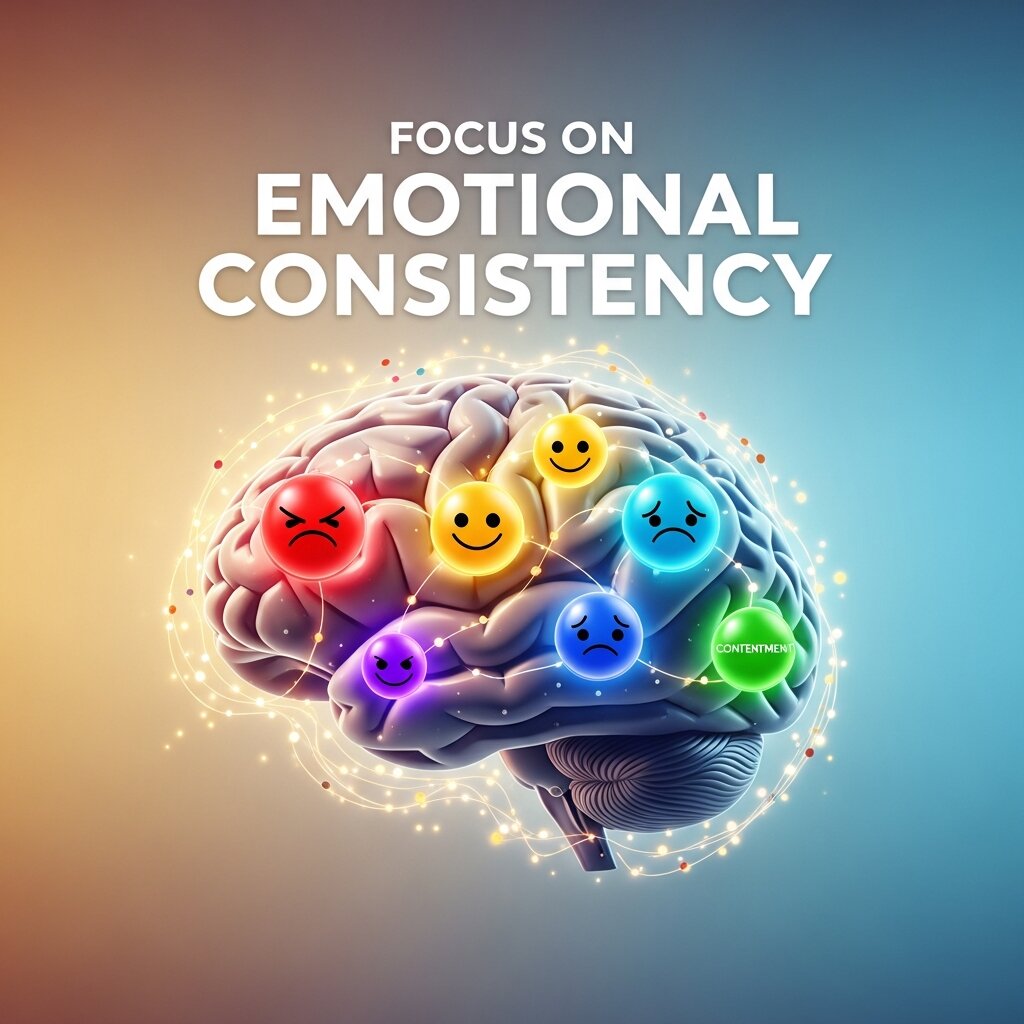 Emotional consistency plays a crucial role in building trust and long-term stability in relationships. One of the most important science relationship tips is maintaining stable and predictable emotional behavior. Sudden emotional changes can create confusion, insecurity, and distance between partners. Research shows that consistency helps individuals feel safe, understood, and emotionally secure. These science relationship tips encourage steady communication, supportive actions, and balanced emotional responses. Emotional consistency also improves conflict resolution and strengthens mutual understanding. When partners know what to expect, the relationship becomes more stable and harmonious. This habit builds deeper emotional trust, enhances connection, and creates a strong foundation for long-lasting love, emotional security, and relationship satisfaction over time.
Conclusion
Building a strong and lasting relationship takes effort, understanding, and the right mindset. These science relationship tips offer practical, research-based ways to improve marketing communication, trust, and emotional connection between partners. When practiced consistently, they help couples handle conflicts better and strengthen their bond over time. Small daily actions like gratitude, active listening, and emotional awareness can create meaningful change. By applying these science relationship tips, couples can build deeper love, improve stability, and enjoy a healthier relationship. Ultimately, consistency and care are the keys to long-term relationship success and happiness.
Frequently Asked Questions
1: What are science relationship tips?
Science relationship tips are research-based strategies that help couples improve communication, trust, and emotional connection. These methods come from psychology and behavioral studies, focusing on habits that strengthen love, reduce conflict, and build healthier long-term relationships effectively and naturally.
2: How do science relationship tips improve relationships?
Science relationship tips improve relationships by encouraging better communication, emotional understanding, and positive behaviors. They help couples manage conflicts calmly, build trust, and strengthen emotional bonds using proven psychological principles that support long-term relationship satisfaction and stability over time.
3: Can science relationship tips fix a broken relationship?
Science relationship tips can help repair broken relationships by improving communication and rebuilding trust. While they cannot guarantee success, applying these methods consistently increases understanding, reduces emotional distance, and creates opportunities for healing and reconnection between partners gradually.
4: Why is communication important in relationships?
Communication technology is important because it allows partners to express feelings, needs, and concerns clearly. Science relationship tips emphasize active listening and emotional awareness, which help reduce misunderstandings, build trust, and strengthen emotional intimacy between couples over time effectively.
5: How does trust affect a relationship?
Trust is the foundation of a strong relationship. Science relationship tips show that consistent actions, honesty, and reliability build trust over time. Without trust, emotional insecurity grows, but with it, relationships become stable, supportive, and deeply connected emotionally.
6: What role does gratitude play in relationships?
Gratitude strengthens relationships by increasing appreciation and positive emotions. Science relationship tips highlight that expressing thanks regularly improves emotional bonding, reduces negativity, and encourages partners to feel valued, creating a healthier and more satisfying romantic connection overall.
7: How can couples manage conflicts better?
Couples can manage conflicts by staying calm, listening actively, and focusing on solutions instead of blame. Science relationship tips suggest emotional control and respectful communication, which help reduce arguments and turn disagreements into opportunities for understanding and growth.
8: Why are shared experiences important?
Shared experiences create emotional memories that strengthen bonds between partners. Science relationship tips show that doing activities together improves connection, builds happiness, and enhances communication, making relationships more enjoyable, meaningful, and emotionally fulfilling over time.
9: What are emotional boundaries in relationships?
Emotional boundaries define personal space and limits within a relationship. Science relationship tips emphasize respecting individuality while staying connected. Healthy boundaries prevent emotional burnout, reduce conflicts, and help maintain balance, trust, and long-term relationship stability effectively.
10: How often should couples practice science relationship tips?
Couples should practice science relationship tips daily for the best results. Small, consistent actions like listening, appreciating, and communicating improve emotional connection over time. Regular practice helps build stronger trust, deeper love, and long-lasting relationship satisfaction naturally and effectively.
